
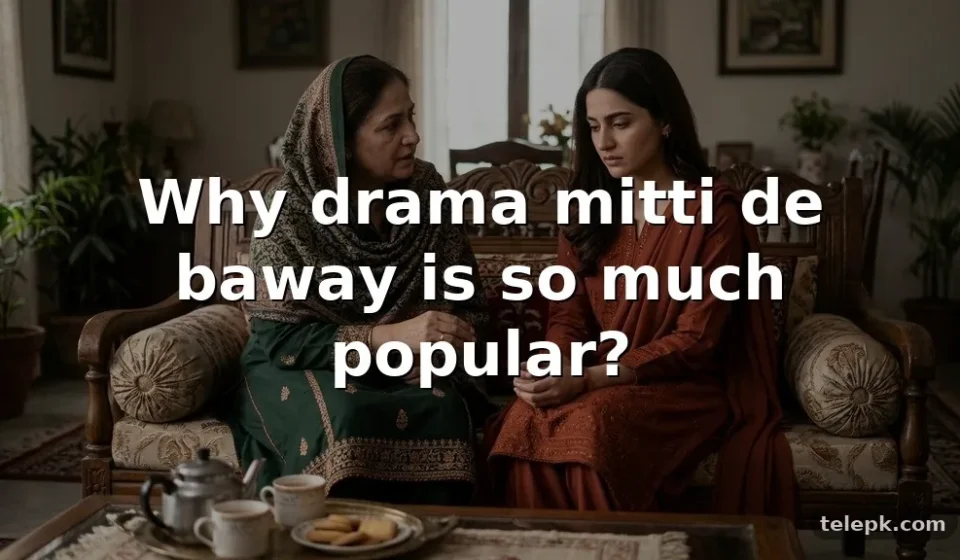

Mitti De Baway has stayed in viewers’ conversations because it taps into something many Pakistani drama fans recognise: family bonds, village traditions, difficult choices, and emotions that feel close to home. The question of why Mitti De Baway is so popular isn’t answered by one scene or one character alone. Its appeal comes from the way a rural Punjabi setting, culturally familiar conflicts, and emotional storytelling work together.
For viewers revisiting older Pakistani television dramas—or discovering clips and full episodes online—the serial offers a grounded alternative to glossy urban stories. Its lasting interest also reflects the strong pull of dramas rooted in language, identity, and everyday relationships.
Mitti De Baway is associated with the tradition of Urdu television drama that draws heavily on Punjabi culture, village life, and family relationships. The title itself gives the story a strong connection to land, belonging, and local identity—ideas that often carry emotional weight in South Asian storytelling.
Although people search for details such as the Mitti De Baway cast, writer, director, total episodes, and OST, reliable information can be difficult to confirm from scattered reposts and fan discussions. For accurate credits or episode availability, viewers should rely on original broadcast listings, on-screen credits, or the official Geo Entertainment YouTube channel where applicable, rather than treating every social-media upload as authoritative.
The Mitti De Baway Meaning and Why It Connects
“Mitti” commonly refers to soil or homeland, while “baway” evokes sons or people belonging to that soil in a Punjabi cultural context. The phrase therefore suggests roots, heritage, and an intimate attachment to one’s native place.
That sense of cultural identity matters. A title like Mitti De Baway signals that the drama plot is likely to place people, family honour, community expectations, and inherited values at the centre of its emotional world. It gives the serial a regional flavour without making its core concerns unfamiliar.
Why Mitti De Baway Is So Popular With Drama Viewers
The popularity of a television serial is rarely just about a dramatic twist. In this case, interest appears to come from a combination of cultural familiarity and emotionally direct storytelling. The show’s themes are easy to recognise even for viewers who did not grow up in a rural Punjab setting.
- A relatable village backdrop: Rural settings bring community ties, traditions, and social pressures into sharper focus.
- Family-centred conflict: Viewers tend to connect with stories involving parents, siblings, marriage expectations, loyalty, and sacrifice.
- Punjabi cultural texture: Language, customs, clothing, social codes, and local values can make a drama feel more distinct and authentic.
- Emotional storytelling: Pakistani drama serials often work best when character decisions have genuine personal consequences.
- Interest from newer audiences: YouTube full episodes, clips, and short scenes can introduce older Pakistani drama episodes to people who missed the original run.
A Rural Punjab Setting Gives the Drama Its Identity
Many television serials use a city setting because it is familiar to broad audiences. Mitti De Baway stands out in discussion because its rural Punjab setting creates different kinds of stakes. A decision by one lead character may affect not only a household but also reputation within the wider village.
Village life can make ordinary matters feel larger: a proposed marriage, a property dispute, a family disagreement, or a challenge to traditional values. This does not mean rural stories are automatically more emotional, but the close-knit social structure gives writers more room to show how personal lives and public expectations collide.
Traditional Values Without a Simple View of Them
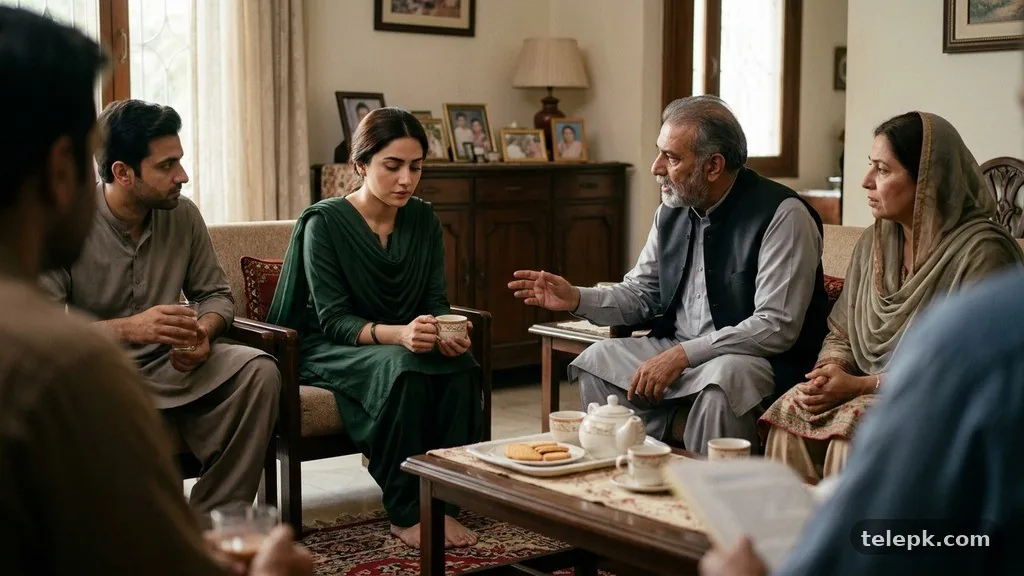
One reason audiences respond to this type of Pakistani entertainment is that traditional values are not always presented as purely good or bad. Respect for elders, loyalty to family, and attachment to home can be meaningful. At the same time, those values may create pressure for characters who want to make independent choices.
That tension is a reliable source of drama. It also allows viewers to sympathise with more than one side of a conflict, rather than treating every disagreement as a straightforward battle between heroes and villains.
The Importance of Family Relationships and Character Development
The Mitti De Baway story is commonly searched because audiences want to understand the relationships driving the drama plot. In family dramas, plot twists matter, but they only land if viewers believe the characters’ fears, loyalties, and regrets.
Strong character development gives emotional storytelling its staying power. A stubborn parent, a conflicted child, a patient spouse, or a misunderstood supporting character can become memorable when the writing explains what shaped them. This is especially important in a serial format, where viewers spend time with the same people across multiple episodes.
| Element | Why It Appeals to Viewers | How It Supports the Story |
|---|---|---|
| Rural Punjab setting | Feels culturally specific and familiar | Raises the importance of community and reputation |
| Family relationships | Reflects everyday emotional realities | Creates conflict around duty, love, and loyalty |
| Traditional values | Connects with shared cultural experiences | Places personal choices under social pressure |
| Lead characters and supporting cast | Encourages attachment beyond one main storyline | Adds different viewpoints to the central conflict |
| OST or title song | Can strengthen nostalgia and mood | Reinforces the drama’s emotional tone between scenes |
How the Cast, Writer, and Director Shape Audience Interest
People searching for the Mitti De Baway cast or its creative team are often looking for the source of the drama’s emotional pull. Acting matters because rural and family-based stories can feel artificial if performers overplay emotion or turn familiar characters into stereotypes.
A capable supporting cast is just as important as the lead characters. Relatives, neighbours, friends, and elders often carry the social issues of a village drama: class differences, family honour, gender expectations, financial strain, or the conflict between old customs and changing ambitions.
Why Confirmed Credits Matter
Older television serials are frequently uploaded under inconsistent titles, split into parts, or reposted without complete production details. That can create confusion over the Mitti De Baway writer, Mitti De Baway director, episode count, or original channel.
If you are researching the series, treat fan pages and comment threads as starting points, not final proof. Check original end credits where possible. This is particularly useful when identifying the Mitti De Baway OST or title song, as unofficial uploads may use altered audio or incomplete descriptions.
Why Nostalgia Keeps the Serial Visible
Nostalgia is a major reason older Geo TV dramas and other Pakistani dramas continue to find an audience. Viewers may return for a favourite performer, a remembered storyline, or the sense of place created by a familiar Punjabi setting.
For younger viewers, the attraction can be different. Older Urdu television drama often moves at a more patient pace and gives family relationships time to develop. That slower rhythm can feel refreshing beside short-form clips and quickly changing online entertainment.
The Role of YouTube and Online Discussion
Online access has changed how audiences discover television serials. A scene shared as a clip may lead someone to search for YouTube full episodes, the complete Mitti De Baway story, or its original title song.
Forums and threads labelled Mitti De Baway Reddit can also keep interest alive, but they should be read with care. Viewer memories are valuable for discussing themes and favourite moments, yet they may not be reliable for confirming production facts or total episode numbers.
What May Not Work for Every Viewer
Mitti De Baway’s strengths may also explain why it will not suit everyone. Viewers who prefer fast-moving plots, modern city settings, or highly polished contemporary production styles may find a traditional village serial slower than expected.
- The pacing may feel deliberate for audiences used to shorter, faster dramas.
- Family and social conflicts can be emotionally heavy.
- Traditional viewpoints may invite debate rather than universal agreement.
- Older uploads may have inconsistent video quality or incomplete episode labelling.
These are not necessarily weaknesses. They are part of the format and period in which many such dramas were made. The best approach is to watch with an appreciation for the serial’s cultural setting and storytelling style.
Who Is Most Likely to Enjoy Mitti De Baway?
This drama is likely to appeal to viewers who enjoy emotionally led Pakistani entertainment with a strong sense of place. It may be especially rewarding for people interested in Punjabi culture, intergenerational family stories, and dramas where social issues arise through personal relationships rather than speeches.
It is also a sensible choice for anyone exploring older Pakistani drama episodes after watching newer productions. The contrast can reveal how the television industry has changed in pacing, visual style, and storytelling priorities while retaining a focus on human emotion.
FAQ
What does Mitti De Baway mean?
The title draws on Punjabi language and imagery connected with soil, homeland, roots, and belonging. Its exact nuance can vary with context, but it strongly suggests cultural and emotional attachment to one’s native place.
Is Mitti De Baway a Pakistani drama serial?
It is discussed as a Pakistani television drama with a rural Punjabi cultural setting. For precise original broadcast and production details, check verified channel listings or the serial’s on-screen credits.
Why do people search for the Mitti De Baway cast and writer?
Viewers often want to identify the performers and creative team behind its memorable characters and emotional tone. Credits are best confirmed through original episode material because reposted videos can be incomplete or incorrectly labelled.
How many total episodes does Mitti De Baway have?
A dependable total should be verified through an official episode archive or original broadcast information. Playlists and unofficial uploads may split, combine, or omit episodes, making their numbering unreliable.
Where can viewers find the Mitti De Baway OST or title song?
Start with official broadcaster archives, verified video channels, or original episode openings and end credits. Unofficial music uploads may not include accurate song or performer details.
Why are village-based Pakistani dramas still popular?
They often bring family ties, cultural traditions, and social pressures into the same story. That combination can feel emotionally familiar, especially for viewers who value regional language, customs, and community-centred narratives.
Final Thoughts
The answer to why Mitti De Baway is so popular lies in its emotional roots. A story shaped by rural Punjab, family relationships, cultural identity, and social expectations has more room to linger than a plot built only around twists. Its appeal is not limited to nostalgia; viewers can still recognise the pressures and affections that make its characters feel human.
If you plan to watch or revisit the serial, seek out properly credited episodes and approach conflicting online details carefully. Pay attention to how the setting influences each relationship—that connection between people, place, and tradition is where Mitti De Baway’s enduring charm is most likely to be found.