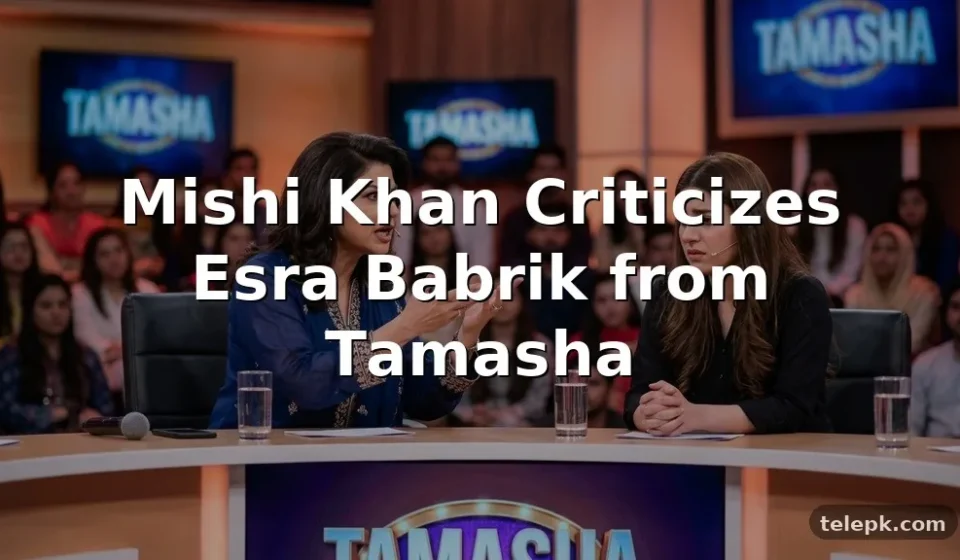

The discussion around Mishi Khan criticizing Esra Babrik from Tamasha has drawn attention because it connects a veteran Pakistani actor with a reality-show personality in a very public entertainment debate. Much of the conversation appears to come from social media posts, clips, and audience reactions, which can make the original context difficult to separate from commentary. This article explains what the criticism is about, why it became a talking point, and how readers can assess the available claims without treating every circulating post as confirmed news.
Mishi Khan is a Pakistani actress and media personality known for sharing opinions about entertainment and public issues. Esra Babrik has been associated with Tamasha, the Pakistani reality television franchise that places public figures and contestants in a shared house while cameras capture their interactions, disagreements, and daily dynamics.
The phrase “Mishi Khan criticizes Esra Babrik from Tamasha” generally refers to public remarks attributed to Khan about Babrik’s conduct, appearance, comments, or role in a discussion connected with the show. However, the exact wording, timing, and trigger of the criticism should be checked against the original video or post rather than repeated from cropped clips or headlines.
Why Mishi Khan’s Comments Attracted Attention
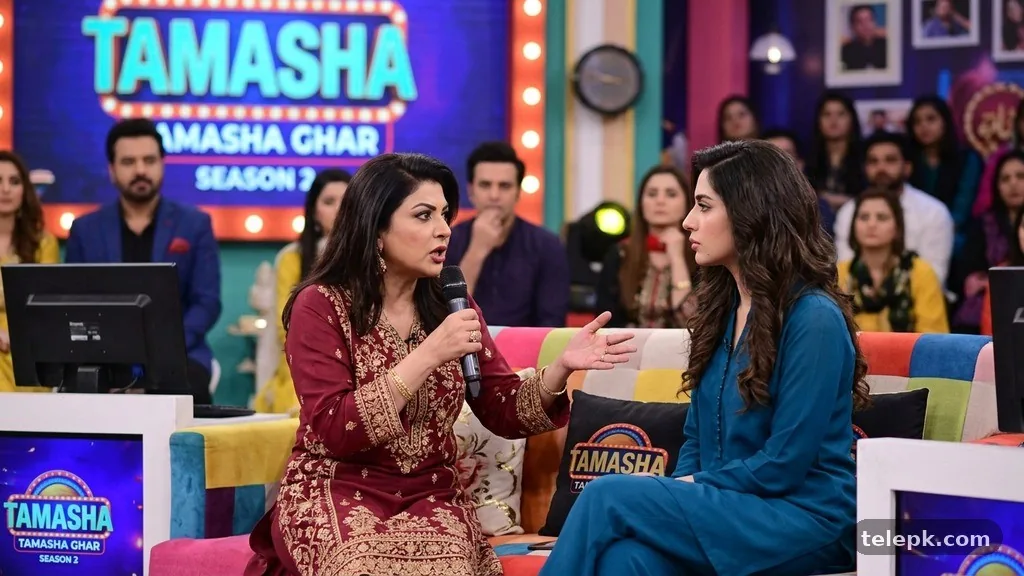
Celebrity opinions often receive more attention when they involve a reality-show contestant. Tamasha is built around personality clashes and emotional reactions, so comments from outside the show can quickly become part of the wider conversation.
In this case, interest appears to come from several overlapping factors:
- Public figures involved: Mishi Khan already has name recognition, while Esra Babrik is connected with a popular entertainment format.
- Reality television scrutiny: Contestants are frequently judged for how they speak, behave, and respond under pressure.
- Short-form video sharing: A brief excerpt can spread faster than the full statement that gives it context.
- Audience disagreement: Some viewers may see criticism as fair commentary, while others may regard it as unnecessarily harsh.
What Is Confirmed and What Needs Caution
The safest way to discuss the incident is to separate the existence of public commentary from assumptions about motive. A social-media caption may confirm that Khan made a statement, but it doesn’t automatically establish the full background, Babrik’s response, or whether a clip has been edited.
| Point of information | How to treat it | Why it matters |
|---|---|---|
| Mishi Khan made or shared criticism | Confirm through her original account or a complete recording | Reposts may remove important context |
| The criticism concerned Esra Babrik | Check the full wording and surrounding discussion | Headlines can simplify or exaggerate a comment |
| Esra Babrik responded | Do not assume a response without a direct statement | Silence, unrelated posts, and fan comments are not official replies |
| Audience reaction | View it as opinion rather than established fact | Viral comments do not represent every viewer |
The Role of Tamasha in the Debate
Reality television creates a particular kind of public conversation. Contestants are shown in situations designed to reveal conflict, alliances, vulnerability, and competition, but viewers still see an edited version of events. Episodes may leave out conversations, rearrange scenes, or focus on the most dramatic exchange.
That doesn’t make every criticism invalid. It does mean that judgments about a participant should be based on the complete available context rather than one reaction shot or a few seconds from a longer argument.
Why viewers interpret the same scene differently
One viewer may see a contestant as confident, while another sees the same behavior as confrontational. Cultural expectations, editing choices, personal loyalties, and previous episodes all influence that reading. External commentary, including remarks from established actors such as Mishi Khan, can reinforce one interpretation while provoking another.
How to Check the Original Context
Readers who want to understand the dispute should begin with primary material. Official show uploads and the speaker’s own verified social channels are more useful than anonymous reposts or captions that provide no source.
- Find the complete video or original post rather than relying on a short excerpt.
- Note the date and determine whether the remark relates to a current episode or an older event.
- Listen for the exact language used, including whether Khan was making a serious allegation or expressing an opinion.
- Look for a direct response from Esra Babrik before describing the exchange as a feud.
- Separate confirmed statements from fan theories, memes, and speculation.
For official programming and related uploads, viewers can check the ARY Digital official channel. If the original material is unavailable, the responsible approach is to describe the claim as unverified rather than fill in missing details.
Public Criticism Versus Personal Attacks
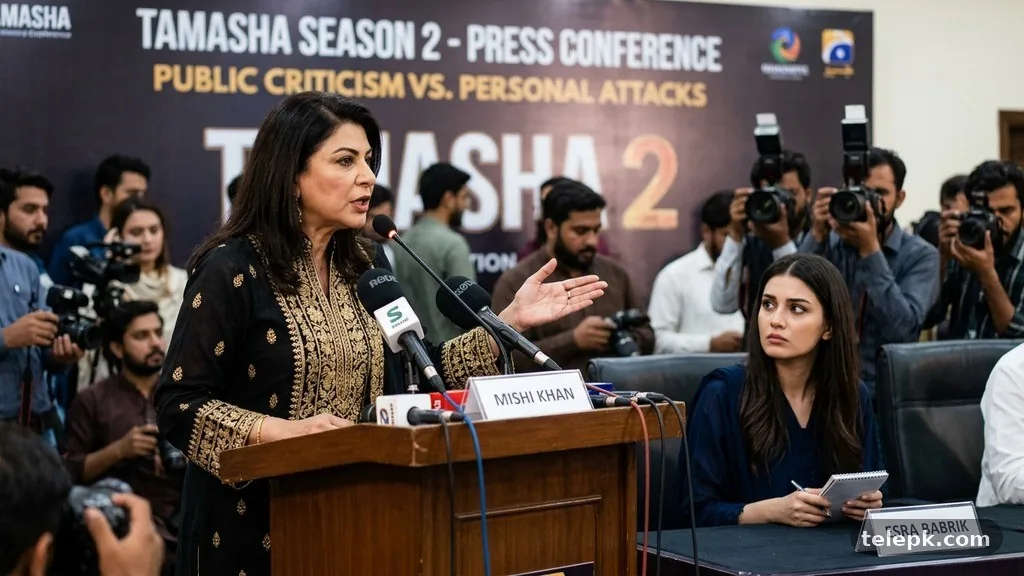
Celebrity commentary can be part of normal entertainment discussion, particularly when it focuses on a televised performance or public behavior. The line becomes less clear when commentary moves from a specific action to broad claims about someone’s character, intentions, or private life.
A fair reading should ask three simple questions:
- Was the comment about something shown or said publicly?
- Did it address a particular action rather than make a sweeping personal judgment?
- Is the criticism supported by the full context, or only by a viral fragment?
These questions don’t require viewers to agree with Mishi Khan or Esra Babrik. They simply make the conversation less dependent on outrage and more grounded in what can actually be verified.
Did Esra Babrik Respond?
Any claim about a response should be supported by a direct post, interview, video, or clearly attributed statement. Fan-made edits, comments from unrelated accounts, and vague captions shouldn’t be presented as Babrik’s official reply.
If a verified response becomes available, it should be read alongside Khan’s complete remarks. That comparison may show whether the disagreement was genuine, misunderstood, or amplified by social-media editing.
What This Says About Celebrity Discussions Online
The episode reflects a wider pattern in Pakistani entertainment coverage: a short exchange can become a trending subject before the full context reaches viewers. Reality television already encourages strong reactions, and celebrity commentary adds another layer of interpretation.
For audiences, the most useful habit is simple: pause before sharing. Check who made the statement, when it was made, what preceded it, and whether the person being discussed has actually responded.
Frequently Asked Questions
Who is Mishi Khan?
Mishi Khan is a Pakistani actress and media personality who has also commented publicly on entertainment and social topics.
Who is Esra Babrik?
Esra Babrik is associated with the Pakistani reality television show Tamasha. Specific claims about her conduct or statements should be checked against the relevant episode or an original public source.
Why did Mishi Khan criticize Esra Babrik?
The reported criticism relates to a public discussion connected with Babrik and Tamasha. The precise reason and wording should be confirmed from the complete original clip or post, since circulating summaries may omit context.
Was the disagreement confirmed as a personal feud?
Not necessarily. Public criticism does not by itself prove an ongoing personal feud. That description should only be used if both sides clearly frame the situation that way.
Where can viewers check the original context?
Viewers should consult full episodes, official program uploads, and verified social-media accounts belonging to the people involved. Short reposted clips are best treated as incomplete evidence.
Final Takeaway
The story about Mishi Khan criticizing Esra Babrik from Tamasha is best understood as a public entertainment dispute whose details depend heavily on the original wording and surrounding context. Khan’s comments may prompt discussion, but audience reactions and reposted clips shouldn’t be treated as proof of motives, private conflict, or an official response from Babrik.
Before sharing the claim, check the full source, confirm the date, and distinguish direct statements from speculation. That approach keeps coverage of the Mishi Khan and Esra Babrik discussion accurate while still leaving room for viewers to form their own opinions.